

Discover the National Museum of Egyptian Civilization: A Gateway to Egypt’s Timeless Heritage
Nestled in the heart of Cairo, the National Museum of Egyptian Civilization (NMEC) stands as a modern tribute to the country’s ancient past. This museum is not merely a collection of artifacts; it’s a living chronicle that narrates Egypt’s story from prehistoric times to the contemporary era. Whether you’re a passionate historian or a curious traveler, exploring the NMEC is one of the most enriching cultural experiences in Egypt. The museum offers a comprehensive perspective that beautifully complements visits to iconic sites like the Pyramids of Giza and the Egyptian Museum.
Awaken Your Curiosity: The Attraction of the National Museum of Egyptian Civilization
Imagine stepping into a space where 50,000 years of human civilization are laid out before your eyes. The National Museum of Egyptian Civilization is not just an exhibition hall but a journey across time. It features six main galleries illustrating different historical phases: prehistoric, ancient, Greco-Roman, Coptic, Islamic, and modern Egypt. Each gallery immerses visitors in a world of art, culture, and innovation that shaped humanity’s progress.
What truly sets the NMEC apart is its famous Royal Mummies Hall. Here, visitors can come face-to-face with ancient pharaohs like Ramses II and Hatshepsut, preserved with astonishing detail. This unique collection was relocated from the old museum in Tahrir Square, marking a monumental moment in Egyptian heritage preservation.
Ignite Your Interest: A Journey Through Egypt’s Civilizational Phases
Each section of the museum tells a distinct story about Egypt’s continuous evolution. The prehistoric gallery showcases stone tools and primitive art that reveal the earliest human settlements along the Nile. As you move into the ancient Egyptian section, you’ll encounter artifacts reflecting the sophistication of dynastic Egypt — from the Old Kingdom builders to the New Kingdom’s artistic revival, which you can further explore at the Luxor Temple and the Valley of the Kings.
The Greco-Roman gallery highlights Egypt’s multicultural legacy, while the Coptic and Islamic sections display intricate art, manuscripts, and religious artifacts that represent Egypt’s spiritual diversity. The modern section, meanwhile, showcases Egypt’s transformation into a nation blending rich tradition with modern identity.
Desire: Why You Should Visit the National Museum of Egyptian Civilization
The National Museum of Egyptian Civilization is more than a destination—it’s a revelation. It provides an unparalleled understanding of Egyptian identity through the ages. Whether you’re on a luxury Egypt tour or a short Cairo city break, this museum is a must-see for those who crave authentic cultural experiences.
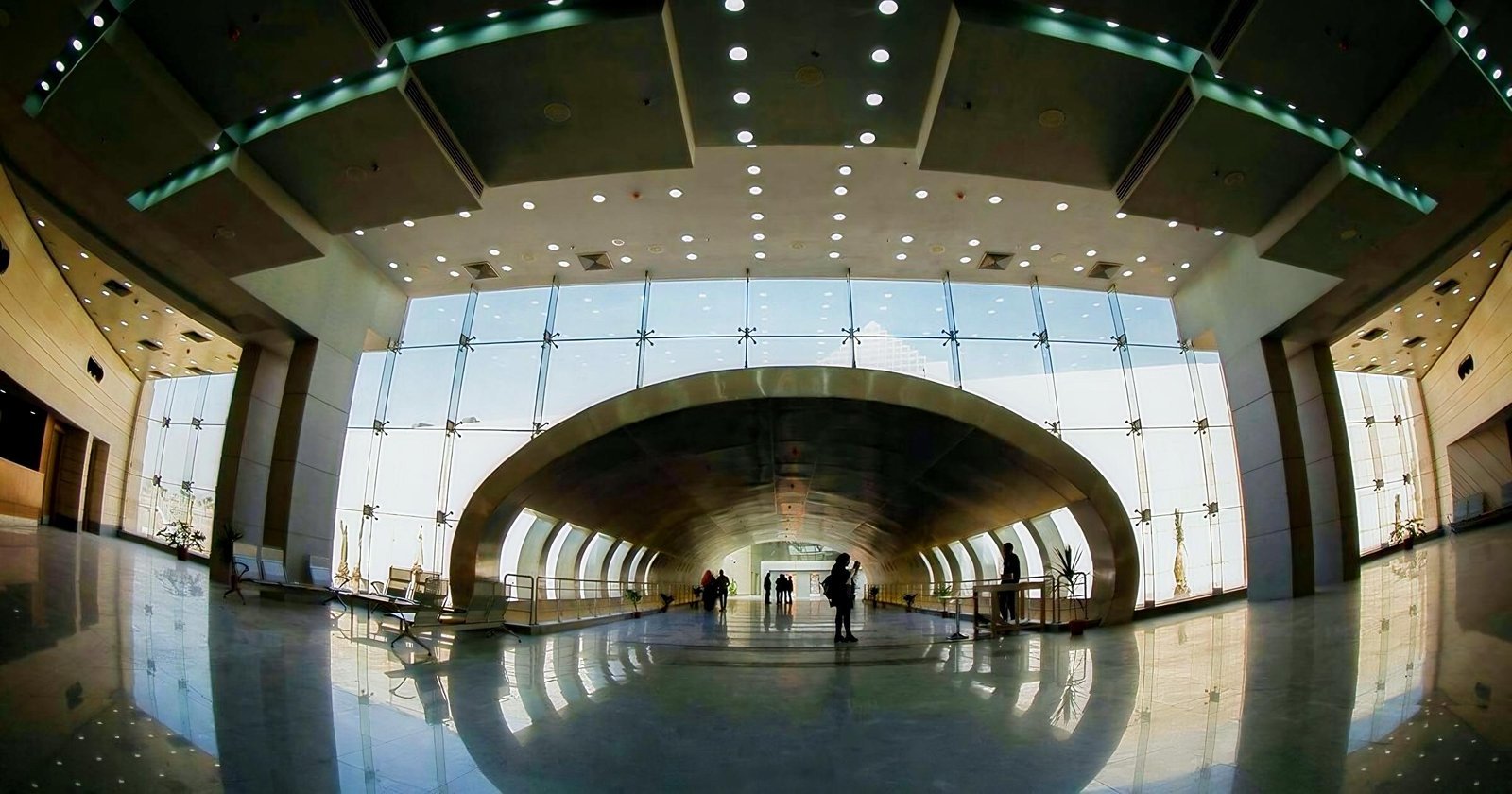
Visitors are often captivated by the museum’s architectural design, which harmonizes modern aesthetics with ancient inspiration. The spacious halls, interactive displays, and digital installations make history accessible to all generations. Moreover, its location near Coptic Cairo and the Hanging Church allows travelers to extend their exploration into Egypt’s diverse cultural landscape.
Action: How to Include the NMEC in Your Egypt Itinerary
Planning your visit to the National Museum of Egyptian Civilization can be easy and rewarding. Many travelers include it as part of a broader cultural itinerary that may also feature the Abu Simbel Temples and the Karnak Temple. If you wish to balance cultural discovery with relaxation, consider combining your museum visit with a 5-star luxury Nile cruise or an elegant journey aboard the Iris Dahabiya Nile Cruise.
For history enthusiasts, joining a guided tour of the museum enhances the experience. Knowledgeable guides bring context to each exhibit, making the stories of ancient Egypt come alive. Many reputable travel agencies, like the best travel agency in Egypt, offer customized packages that include museum visits, ensuring a seamless cultural experience.
Inside the Royal Mummies Hall: A Spiritual Encounter
The Royal Mummies Hall is arguably the most anticipated exhibit within the NMEC. Designed to evoke reverence and respect, the dimly lit hall houses the preserved bodies of Egypt’s most powerful rulers. As you walk through, you’ll feel a profound connection with history—an emotional experience that no photograph or video can replicate. For those who wish to further explore Egypt’s royal past, sites like the Statue of Ramses II and the Temple of Hatshepsut offer perfect historical continuity.
Visiting Tips for the National Museum of Egyptian Civilization
To make the most of your visit, plan to spend at least two to three hours exploring. The museum opens daily and offers guided tours in multiple languages. It’s advisable to visit early in the morning to avoid crowds and enjoy ample time in the Royal Mummies Hall. Photography is allowed in certain areas, but flash is prohibited to preserve the artifacts.
After your visit, enjoy a leisurely walk along the nearby lake or dine in one of the museum’s cafes, overlooking Cairo’s skyline. For travelers who love combining culture with adventure, you can continue your journey toward the Western Desert in Egypt or explore Islamic Cairo for a deeper understanding of Egypt’s layered heritage.
Beyond the Museum: Connecting Culture with Experience
The National Museum of Egyptian Civilization serves as a cultural anchor for those seeking to understand Egypt beyond its monuments. It’s a starting point for broader adventures—from the ancient wonders of the Sphinx to the serene beauty of the Nubian Village. Each destination unveils another dimension of a civilization that continues to inspire the world.
For travelers who seek immersive experiences, consider extending your stay with an 8-day Cairo and Nile cruise tour or a 4-day Nile cruise from Aswan to Luxor. These journeys blend cultural exploration with the tranquil charm of the Nile, offering a well-rounded Egyptian adventure.
Conclusion: Step Into the Story of Civilization
The National Museum of Egyptian Civilization isn’t just a place to see—it’s a place to feel. Every display tells a story, every corridor whispers history, and every artifact bridges the gap between past and present. Whether you’re tracing the footsteps of pharaohs or exploring modern Egypt’s identity, this museum offers a journey like no other. It’s where history breathes, and civilization lives on.
FAQs about the National Museum of Egyptian Civilization
1. Where is the National Museum of Egyptian Civilization located?
The museum is located in the ancient city of Fustat, near Old Cairo, about 20 minutes from downtown Cairo.
2. What are the main highlights of the museum?
The key highlights include the Royal Mummies Hall, prehistoric artifacts, Coptic icons, Islamic art, and modern Egyptian exhibits.
3. How long should I plan to spend at the NMEC?
Most visitors spend between two and three hours exploring the museum and its surrounding areas.
4. Can I take photos inside the museum?
Yes, photography is permitted in most sections except the Royal Mummies Hall, where photography is restricted to protect the exhibits.
5. What other attractions are nearby?
Nearby attractions include Coptic Cairo, the Citadel of Salah El-Din, and the Khan El-Khalili Bazaar, making it easy to plan a full-day cultural itinerary.

Comment (0)